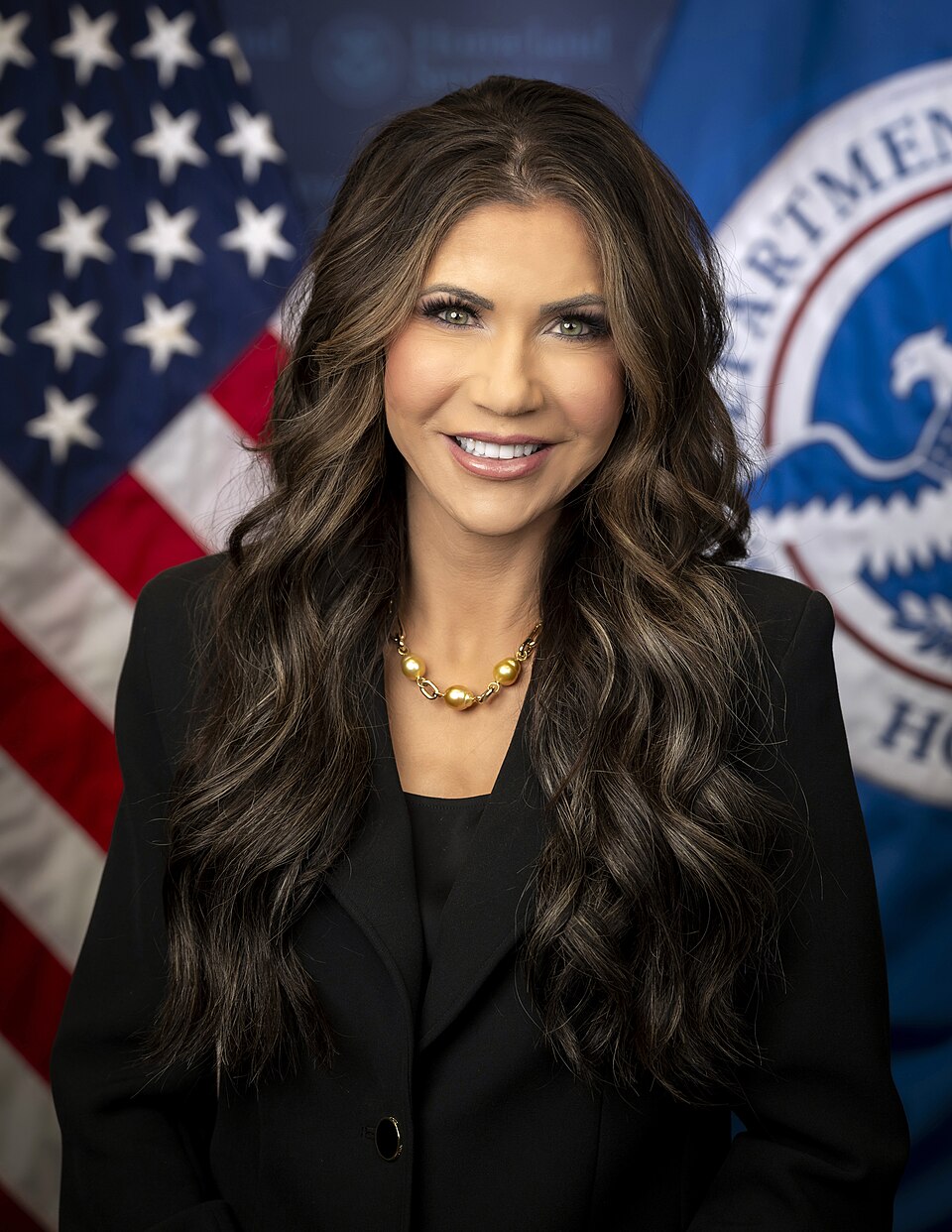
Senate Confronts DHS Secretary Noem Over Leadership and Controversial Enforcement Tactics
In a fiery session before the Senate Judiciary Committee, Homeland Security Secretary Kristi Noem faced intense scrutiny, defending her department's aggressive immigration enforcement tactics and grappling with sharp criticism regarding her leadership. The five-hour hearing brought to light deep divisions within Congress, highlighting ongoing concerns about the Trump administration's mass deportation agenda and the controversial rhetoric surrounding its execution. From the contentious labeling of deceased protesters to the department's handling of emergency responses, Noem's tenure at DHS came under a powerful spotlight, revealing the high stakes involved in national security and immigration policy.
The "Domestic Terrorist" Label: A Flashpoint of Controversy
One of the most contentious exchanges centered on Secretary Noem's characterization of two U.S. citizens, Alex Pretti and Renee Good, who were killed by federal officers in Minneapolis earlier this year during protests against DHS operations. Noem had initially portrayed the individuals as "agitators," a claim contradicted by local officials and bystander video. However, the controversy escalated significantly when reports emerged that she had labeled them "domestic terrorists."
During the hearing, Senator John Kennedy, a Republican from Louisiana who has not been a consistent critic of Noem, pressed her directly on this issue. Kennedy highlighted a specific news article from January 27th, reading an on-the-record quote where Noem allegedly blamed Stephen Miller for her "domestic terrorist" statements. Noem vehemently denied the claim, stating, "Where you saw that was in a news article of anonymous sources, and they say a lot of things. But I never said that." Kennedy, however, firmly reiterated that the quote was on the record, putting Noem's credibility directly on the line.
The implications of a Homeland Security Secretary labeling U.S. citizens as "domestic terrorists" without clear, public evidence are profound. Such rhetoric can escalate tensions, erode public trust, and raise serious questions about due process and civil liberties. The incident underscored the significant challenges in maintaining a balance between national security objectives and respecting the rights of citizens, particularly in highly charged environments. The sensitivity of the label is immense, especially when considering the potential for misunderstanding or misrepresentation, making the debate around Noem's "domestic terrorist" label a critical point of contention.
Understanding the gravity of such accusations, it's crucial for leaders to employ precise and verified language. In a global context, the phrase "noem terroristes domestiques" (Noem domestic terrorists) could easily become a shorthand for this controversy, highlighting how a leader's choice of words can have international repercussions and shape public perception of their administration's approach to internal security threats.
Immigration Enforcement and Departmental Leadership Under Scrutiny
Beyond the controversial labeling, Secretary Noem's broader leadership of the Department of Homeland Security and its aggressive immigration enforcement strategies faced a barrage of criticism. Retiring Republican Senator Thom Tillis of North Carolina did not mince words, famously calling her leadership a "disaster" and skewering her handling of both the immigration crackdown and emergency response management. This bipartisan criticism underscored a growing dissatisfaction with the department's direction.
The Trump administration's mass deportation agenda has been a centerpiece of its second term, and DHS, under Noem, has been central to its execution. The deployment of hundreds of Immigration and Customs Enforcement (ICE) and Customs and Border Protection (CBP) officers to Minnesota, initially framed as an effort to root out fraud, quickly transformed into a flashpoint. Protesters organized marches, patrolled neighborhoods, and ferried food to immigrants, directly confronting the federal presence. Noem, however, defended her agency's treatment of immigrants and blamed activists for creating a "dangerous environment" for officers, stating, "They are facing a serious and escalating threat as a result of deliberate mischaracterizations of their heroic work and rhetoric that demonizes our law enforcement."
While the administration has taken steps to tone down tensions in Minneapolis, including drawing down some operations, the underlying policy remains firm. The crackdown on both legal and illegal immigration continues, marked by the acquisition of warehouses for detention and persistent federal enforcement across the country. Noem confirmed that approximately 650 investigators remain in Minnesota as part of a broader fraud probe. These tactics have triggered a clash in Congress over DHS's routine funding, which remains unresolved, despite a significant cash infusion from a previous spending bill for the mass deportation policy. Noem criticized the partial government shutdown as "reckless," accusing Democrats of jeopardizing national security.
The sustained focus on enforcement and detention raises important questions about the long-term human and economic costs of such policies. Stakeholders, including legal advocates and community leaders, often point to the disruption of families and communities, as well as the burden on local resources. To gain a deeper understanding of the Secretary's defense, consider revisiting DHS Head Noem Defends Immigration Crackdown, Blames Activists.
Broader Security Concerns and DHS's Evolving Role
Noem's appearance before the Judiciary Committee also occurred against a backdrop of escalating national security concerns. A recent shooting at a bar in Texas, being investigated as a possible act of terrorism, brought to the forefront anxieties that the escalating conflict in Iran could have repercussions for security within the United States. This broader threat landscape adds another layer of complexity to DHS's mission, requiring the department to juggle immigration enforcement with counter-terrorism efforts and emergency preparedness.
The Secretary's defense of her department's actions, particularly regarding the safety of ICE officers, underscores the challenging environment in which DHS operates. Law enforcement agencies frequently face public scrutiny, but when operations lead to fatalities or widespread public outcry, the need for transparency and accountability becomes paramount. Balancing the imperative to secure borders and enforce laws with the need to maintain public trust and respect civil liberties is a constant tightrope walk for any DHS Secretary.
Tips for Understanding Complex Security Narratives:
- Verify Sources: Always cross-reference information from multiple, credible outlets.
- Distinguish Fact from Rhetoric: Pay attention to the specific language used by officials and discern objective facts from politically charged statements.
- Consider Broader Context: Understand the historical, political, and social factors influencing security policies and public reactions.
Navigating Public Trust and Law Enforcement Accountability
The Senate Judiciary Committee hearing served as a critical forum for discussing not only the specific policies of DHS but also the fundamental principles of public trust and accountability in law enforcement. When a government official labels deceased citizens as "domestic terrorists," even amidst intense and chaotic situations as Noem claimed for her characterization, it demands rigorous examination. The impact of such statements on the families of the deceased, on public perception of federal agencies, and on the broader discourse around protest and dissent cannot be overstated.
The department's ongoing efforts to restrict both legal and illegal immigration, combined with the expansion of detention facilities, signals a clear strategic direction. However, the political and public pushback, exemplified by the funding disputes and congressional criticisms, indicates that this direction is far from universally accepted. For any agency charged with homeland security, fostering a sense of safety and security for all residents, while upholding legal and ethical standards, is paramount. This requires transparent communication, clear justification for enforcement actions, and a robust system of accountability for officers and leadership alike.
Actionable Advice for Citizens:
- Stay Informed: Follow reputable news sources to understand government policies and actions.
- Engage with Representatives: Contact your elected officials to voice concerns or support for policies affecting homeland security and immigration.
- Understand Your Rights: Familiarize yourself with your civil liberties and due process rights, especially concerning interactions with law enforcement.
In conclusion, Secretary Kristi Noem's appearance before the Senate Judiciary Committee revealed a department under immense pressure, grappling with controversial enforcement tactics, profound political divisions, and the delicate balance between security and civil liberties. The contentious debate over her leadership, particularly her rhetoric concerning the Minneapolis protesters, underscores the profound challenges facing the Department of Homeland Security and the ongoing, critical need for transparency, accountability, and a re-evaluation of how federal power is exercised in a democratic society. The hearing was a potent reminder that in matters of national security and immigration, leadership and communication are as critical as policy itself.