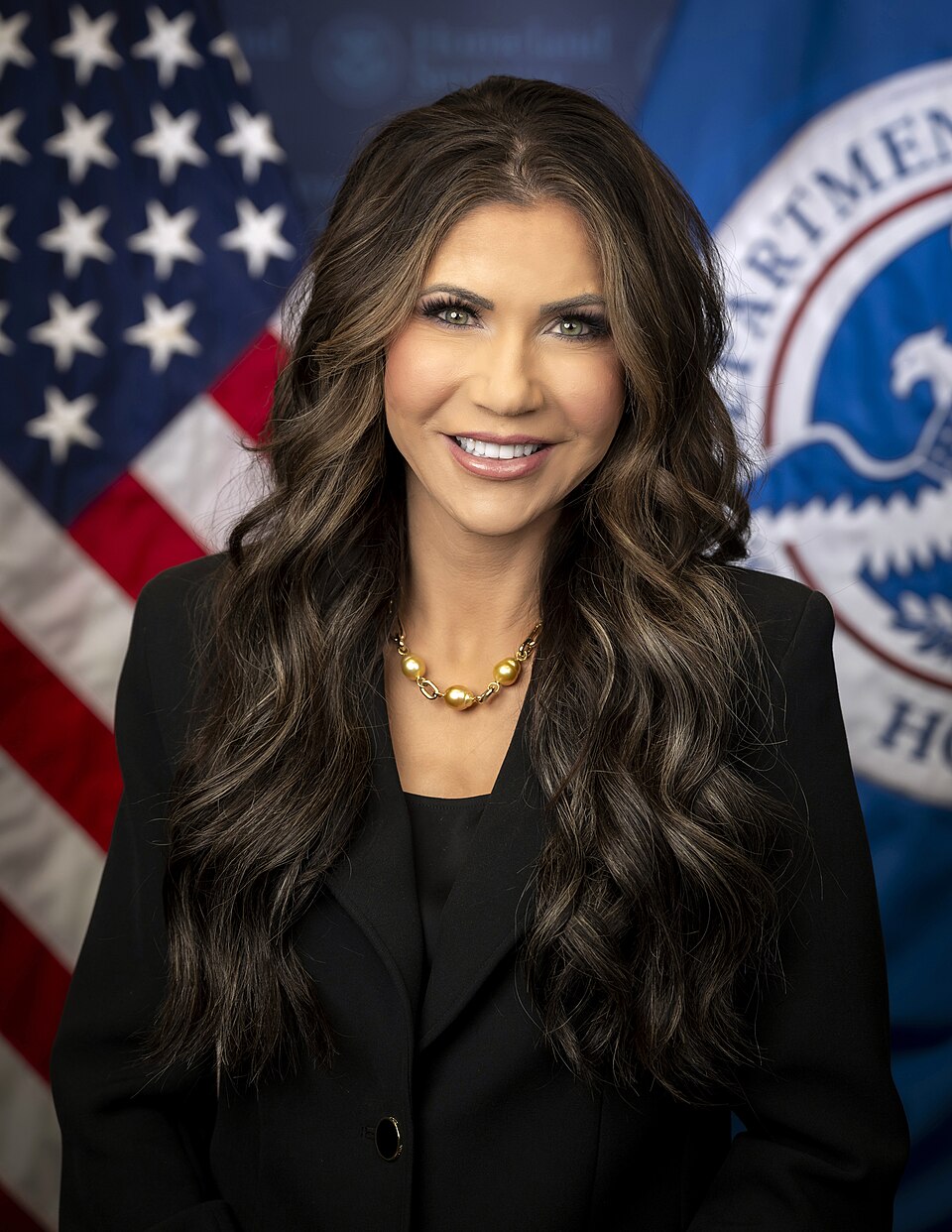
DHS Head Noem Defends Immigration Crackdown, Blames Activists Amidst Heated Senate Hearing
Homeland Security Secretary Kristi Noem recently faced a fiery interrogation from the Senate Judiciary Committee, defending her department's aggressive immigration enforcement tactics and fiercely pushing back against mounting criticism. The five-hour hearing in Washington became a battleground over the Trump administration's mass deportation agenda, Noem's leadership, and her controversial characterization of protesters killed by federal officers earlier this year.
Noem's appearance marked her first congressional testimony since the tragic shooting deaths of two U.S. citizens, Alex Pretti and Renee Good, during an immigration enforcement operation in Minneapolis. These deaths have galvanized widespread opposition and intensified scrutiny over the administration's methods. Despite accounts from local officials and bystander video that contradicted her initial statements, Noem stood firm, portraying the deceased protesters as "agitators" and blaming activists for creating a "dangerous environment" for federal agents.
Defending the Front Lines: Immigration Enforcement and Officer Safety
Secretary Noem dedicated a significant portion of her testimony to defending the integrity and safety of Immigration and Customs Enforcement (ICE) officers. She articulated a narrative of embattled law enforcement personnel facing undue threats and hostility, directly attributing this to what she described as "deliberate mischaracterizations of their heroic work and rhetoric that demonizes our law enforcement."
This defense comes at a time when federal immigration officers, particularly those involved in ICE and Customs and Border Protection (CBP) operations, are indeed operating in a highly charged political climate. Protests against these agencies have grown in frequency and intensity, with activists often organizing marches, patrolling neighborhoods for ICE activity, and providing aid to undocumented immigrants.
While acknowledging the need for enforcement, critics argue that the administration's aggressive posture and Noem's own rhetoric have exacerbated tensions rather than alleviating them. The debate often centers on whether the language used by high-ranking officials genuinely reflects the situation on the ground or, conversely, escalates it. For instance, the administration had previously drawn down operations in Minneapolis after the initial backlash, yet Noem confirmed that approximately 650 investigators remain in Minnesota as part of a broader fraud probe, signaling continued federal presence.
Fact Check: The DHS has seen a significant increase in funding for its enforcement activities under the current administration, reflecting a strategic priority for mass deportations and increased detention capacity. This expansion includes the acquisition of warehouses for new immigration detention facilities across the country.
The "Domestic Terrorist" Controversy: Minneapolis Shootings Under Scrutiny
One of the most contentious moments of the hearing revolved around Noem's labeling of Alex Pretti and Renee Good as "domestic terrorists" following their deaths in Minneapolis. This assertion, made in the immediate aftermath of the January incident, drew sharp rebukes from Democrats and even some Republicans on the committee. Republican Senator John Kennedy of Louisiana, not typically a consistent critic of Noem, pressed her directly on these incendiary comments.
"What got my attention was you blamed your 'domestic terrorist' statements on Stephen Miller," Kennedy stated, referring to a senior White House adviser known for his hardline stance on immigration. Noem, however, vehemently denied this, responding, "Where you saw that was in a news article of anonymous sources, and they say a lot of things. But I never said that." Kennedy then proceeded to read an on-the-record quote from a January 27 news article, twice confirming its authenticity, challenging Noem's recollection.
The use of terms like "domestic terrorist" (or, in French, terroristes domestiques) by a high-ranking government official carries immense weight, especially when applied to U.S. citizens killed by federal agents. Such labels can shape public perception, influence ongoing investigations, and deepen political divides. For a deeper dive into this specific controversy, you can read more at Noem Grilled Over "Domestic Terrorist" Label for Slain Protesters.
This exchange highlighted the chasm between the administration's narrative and the skepticism it faces, even from within its own party. Retiring Republican Senator Thom Tillis of North Carolina went further, openly calling Noem's leadership a "disaster" and skewering her handling of both the immigration crackdown and emergency response.
Broader Implications: Funding Battles and National Security Concerns
Beyond the immediate controversies, Noem's testimony underscored the ongoing clash in Congress over DHS funding. Despite a significant infusion of cash granted last year for the administration's mass deportation policy, the routine funding for the department remains unresolved. Noem did not mince words, calling the partial shutdown "reckless" and squarely blaming Democrats for a move she asserted put national security at risk.
The hearing also touched upon broader national security anxieties, particularly in the wake of a recent weekend shooting at a Texas bar, which is currently being investigated as a possible act of terrorism. This incident has fueled concerns that escalating geopolitical tensions, such as the conflict in Iran, could have direct repercussions for security within the United States. Noem implicitly connected the need for robust border security and internal enforcement to these wider national security threats, arguing that a strong DHS is paramount in an unpredictable global landscape.
The challenges facing Noem's DHS are manifold, encompassing not just immigration enforcement but also emergency management and counter-terrorism efforts. For more on the extensive criticism Noem has faced regarding her department's operations, refer to Senate Criticizes Noem's DHS Leadership and Enforcement Tactics.
Navigating Political Rhetoric and Public Trust in Immigration Debates
The heated exchanges during the Senate hearing serve as a stark reminder of the intensely polarized nature of immigration debates. When officials use strong, often inflammatory, language like "domestic terrorist," it can have several implications:
- Erosion of Public Trust: Such labels can alienate segments of the population and contribute to a perception of bias, making it harder for government agencies to build trust with communities.
- Escalation of Conflict: Inflammatory rhetoric can inflame tensions, potentially leading to more confrontations rather than fostering de-escalation.
- Misinformation: When official accounts conflict with local reports or visual evidence, it creates confusion and allows for the spread of misinformation from various sources.
Practical Advice for Citizens:
- Seek Multiple Sources: When confronted with conflicting narratives, actively seek out reports from diverse news organizations, local officials, and eyewitness accounts.
- Verify Information: Be wary of unverified claims, especially on social media. Cross-reference information with reputable fact-checking sites.
- Understand Nuance: Immigration policy is complex. Avoid simplistic interpretations and try to understand the various legal, economic, and humanitarian aspects involved.
- Engage Respectfully: While it's crucial to hold officials accountable, engaging in civil discourse, even with opposing viewpoints, can be more productive than purely confrontational approaches.
The Noem hearing highlights a critical moment where federal policy, enforcement action, and public perception collide. The language used by leaders, particularly concerning life-and-death situations, has profound consequences for public discourse and the functioning of democratic institutions.
In conclusion, Secretary Kristi Noem's defense of her department's immigration crackdown and her controversial remarks about slain protesters underscore the deep divisions within American politics concerning immigration enforcement. Her testimony, marked by intense questioning and accusations of mischaracterization, reveals an administration steadfast in its mass deportation agenda while facing persistent challenges to its methods, funding, and the very language it employs. The ongoing debate not only shapes the future of immigration policy but also tests the boundaries of accountability and trust between government and its citizens.